
Heat Maps →
Smarter Support.
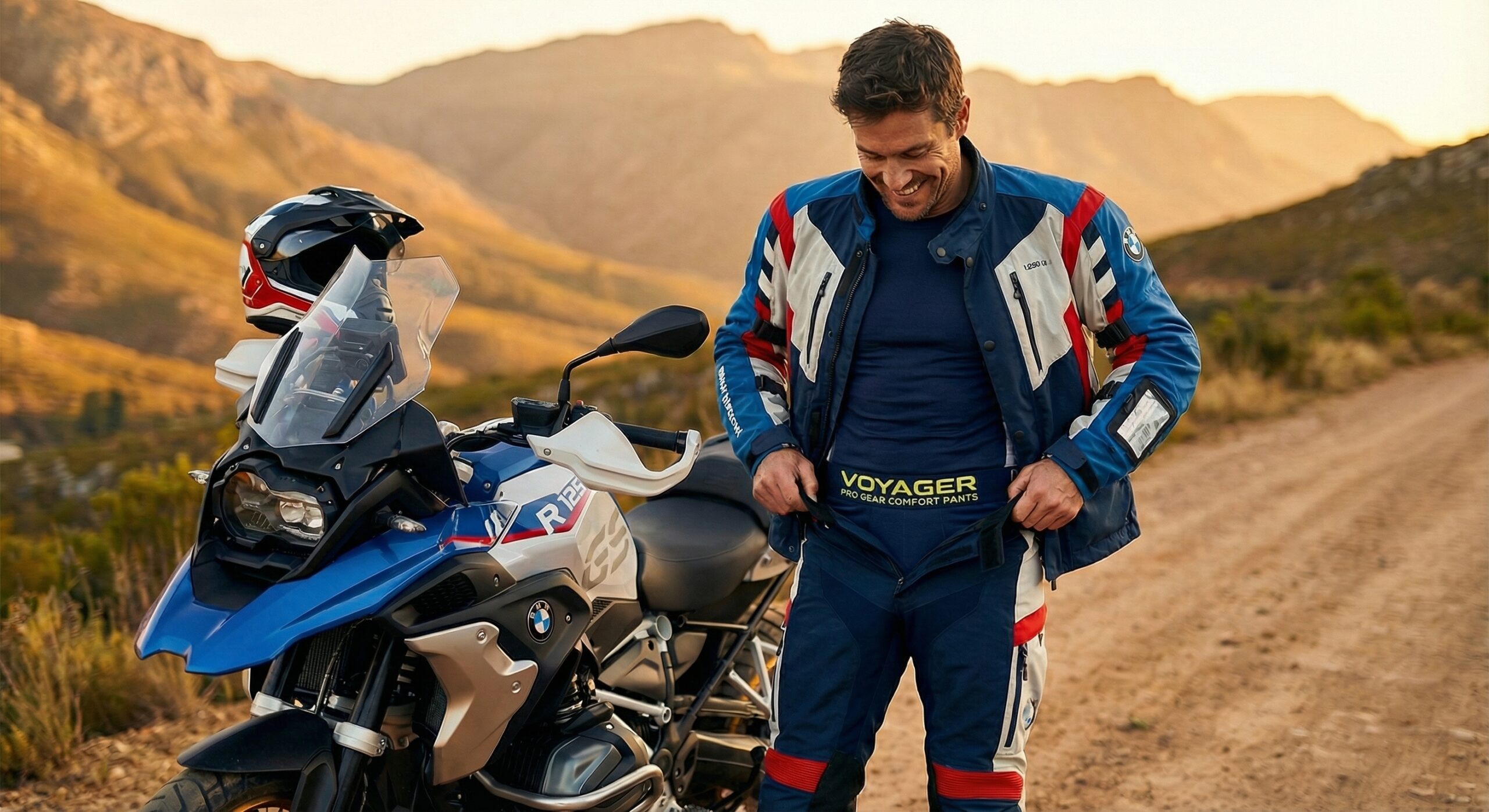
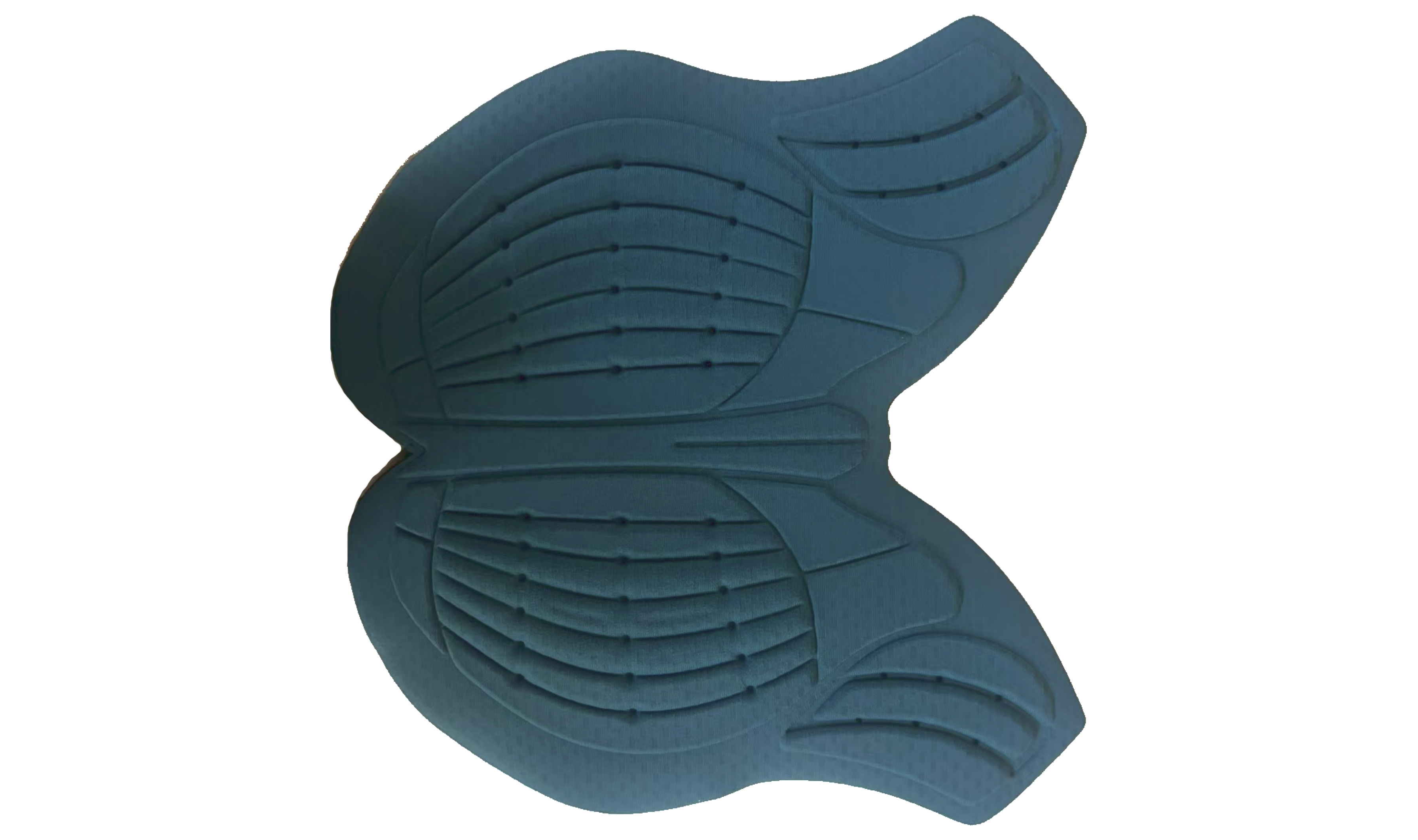
More padding isn't the answer — the right support in the right places is. We mapped the pressure and heat patterns that build up on a real motorcycle saddle over a long day.
Where the load is heaviest, the pad is firm. Where the body bends, it gives. Where the edges meet skin, the transitions are smooth so nothing chafes after hour three. Engineering finally tuned to the actual problem.
Prototypes Built
Real-World Tested
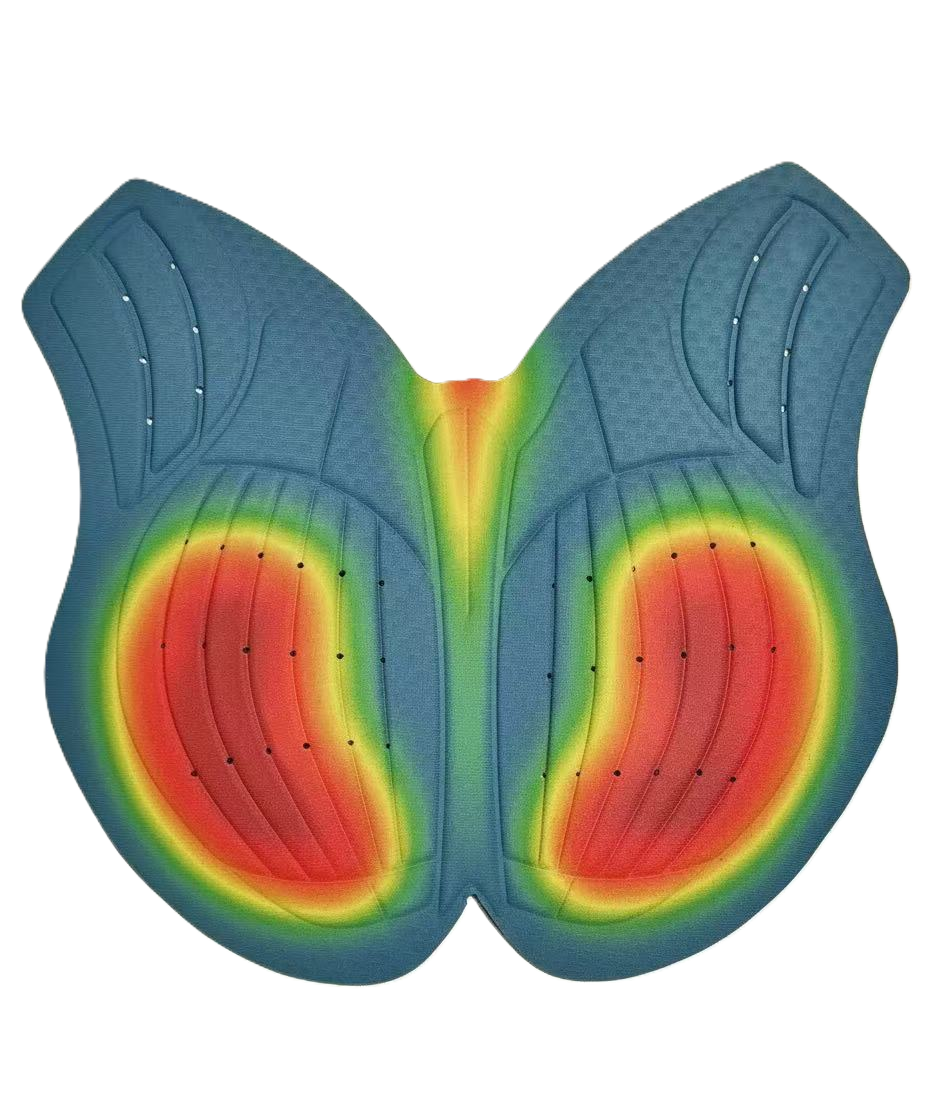
Iteration 01
Baseline load zones
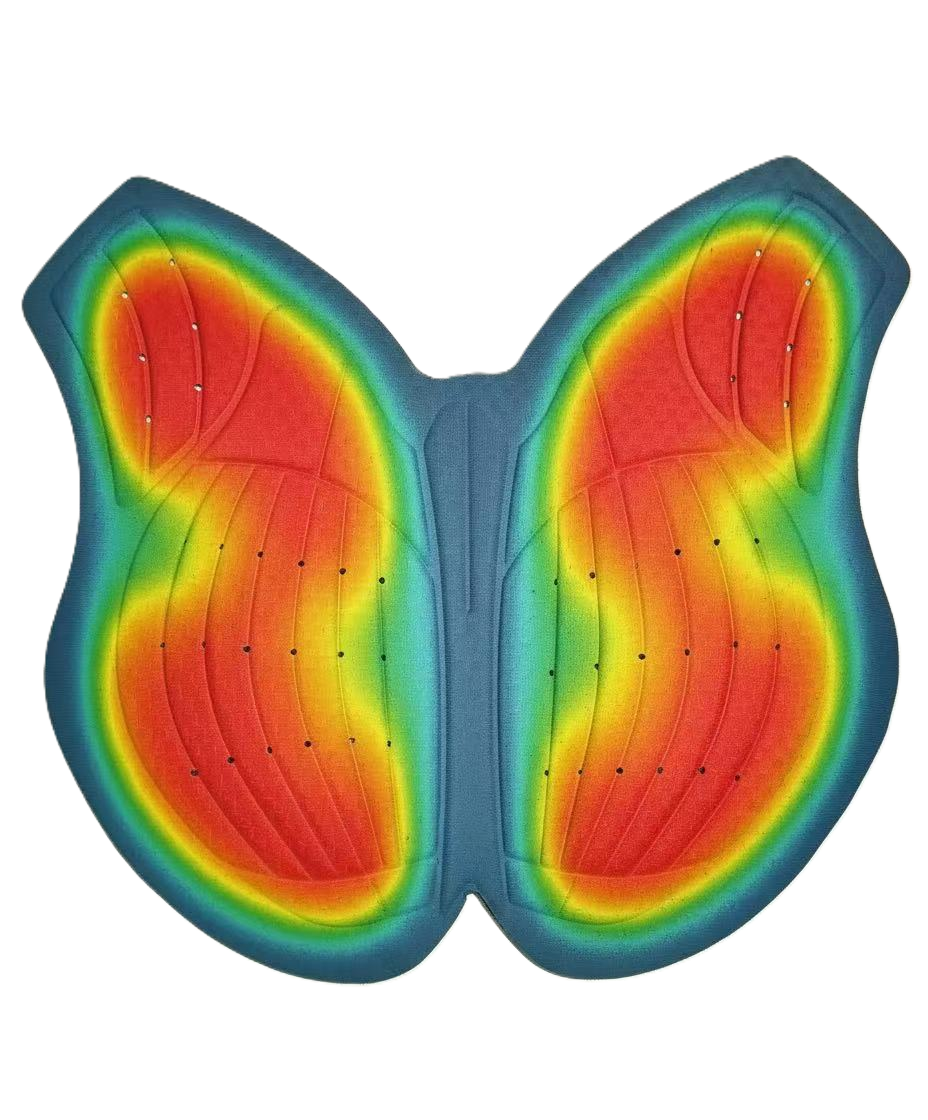
Iteration 02
Targeted relief channels
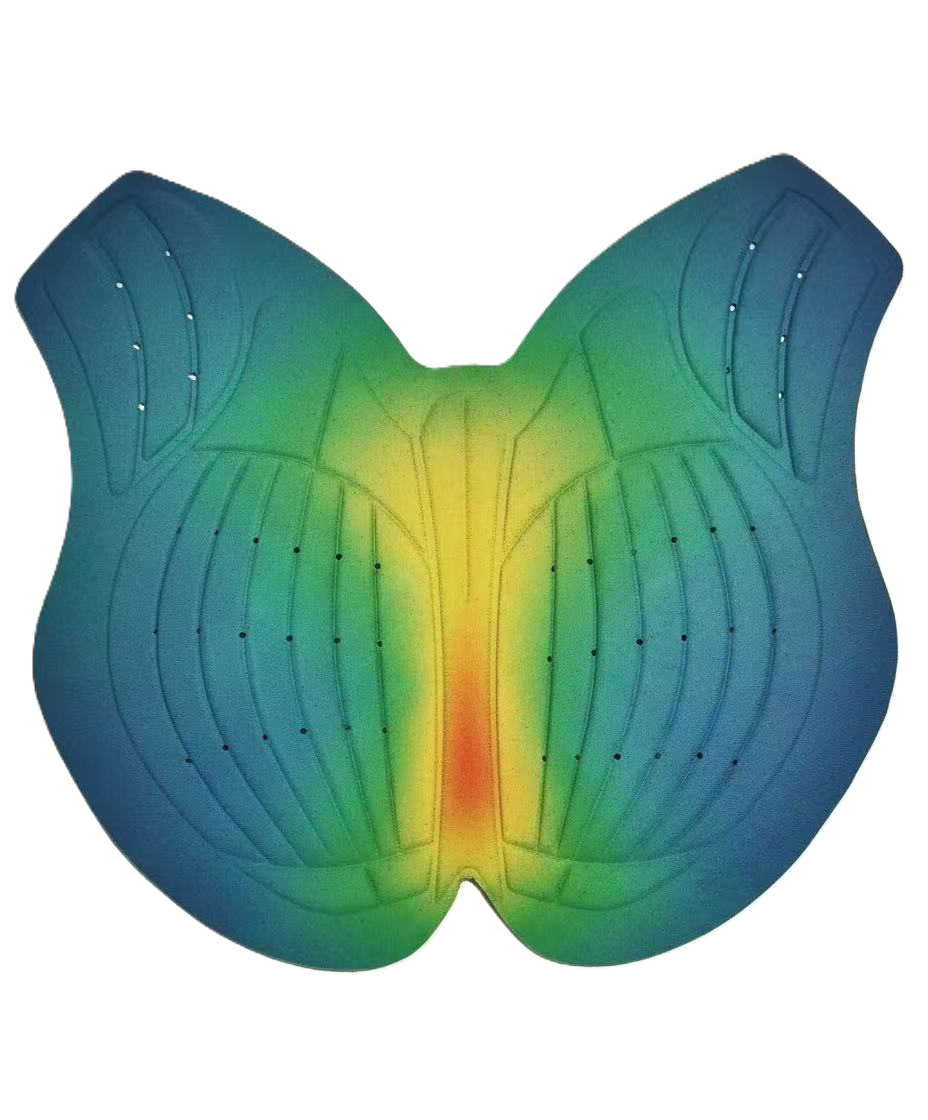
Iteration 03
Finalized density map
What’s Under
the Surface?
Two layers, two jobs
A firm scaffold to absorb the seat, a softer layer that moves with your body. The combination keeps protection consistent from hour one to hour ten — most pads soften and lose their job.
Sweat moves out, not in
A wicking liner that pulls moisture away from the contact point and lets it evaporate through the outer fabric. Dry skin is what stops chafing on long, hot days. Everything else is downstream.
Cut for the seated rider
Patterned for what your body is actually doing on a motorcycle: forward hips, slightly bent knees, weight on the sit bones. Stays flat under textiles. You forget you're wearing it.
Built for
Motorcycle Ergonomics.
A cyclist is folded forward over their bars. Their weight goes through their perineum, their pads are mapped accordingly, and their fabric is sealed for aero. A motorcyclist is upright. The weight goes through the sit bones. The contact lasts hours, not minutes. The fabric needs to breathe, not seal. Cycling pads put protection in the wrong place. Voyager Pro doesn't.
Stability
Compression Support
High-compression fabric helps stabilize key muscle groups to reduce fatigue during multi-hour rides.
Fit
No Bunching
Patterning and silhouette are tuned to sit smoothly under boots and outer layers—without hot spots.
Breathability
Sweat Management
Moisture management helps reduce friction and keeps the contact point comfortable as conditions change.